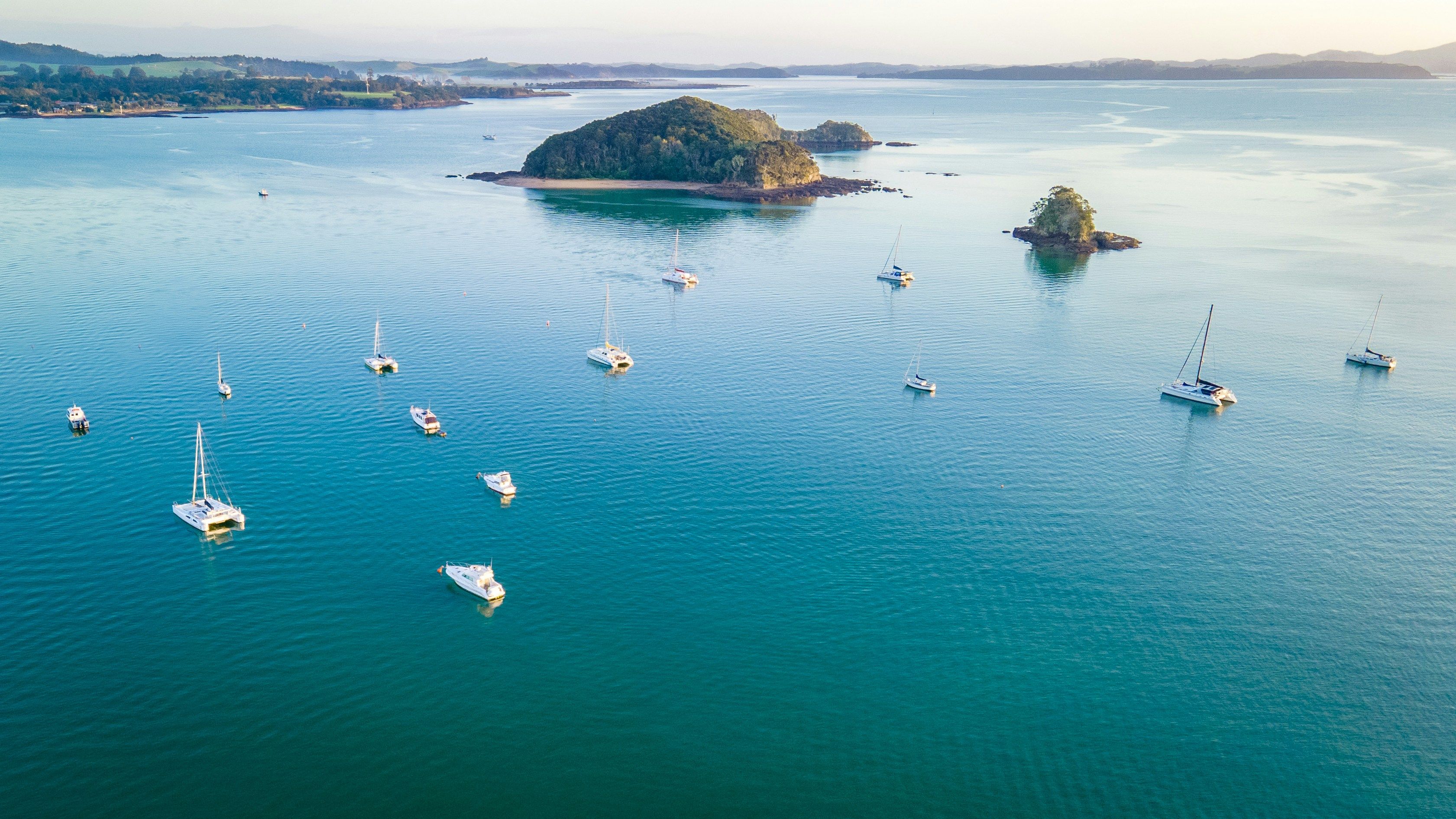
Our Mahi
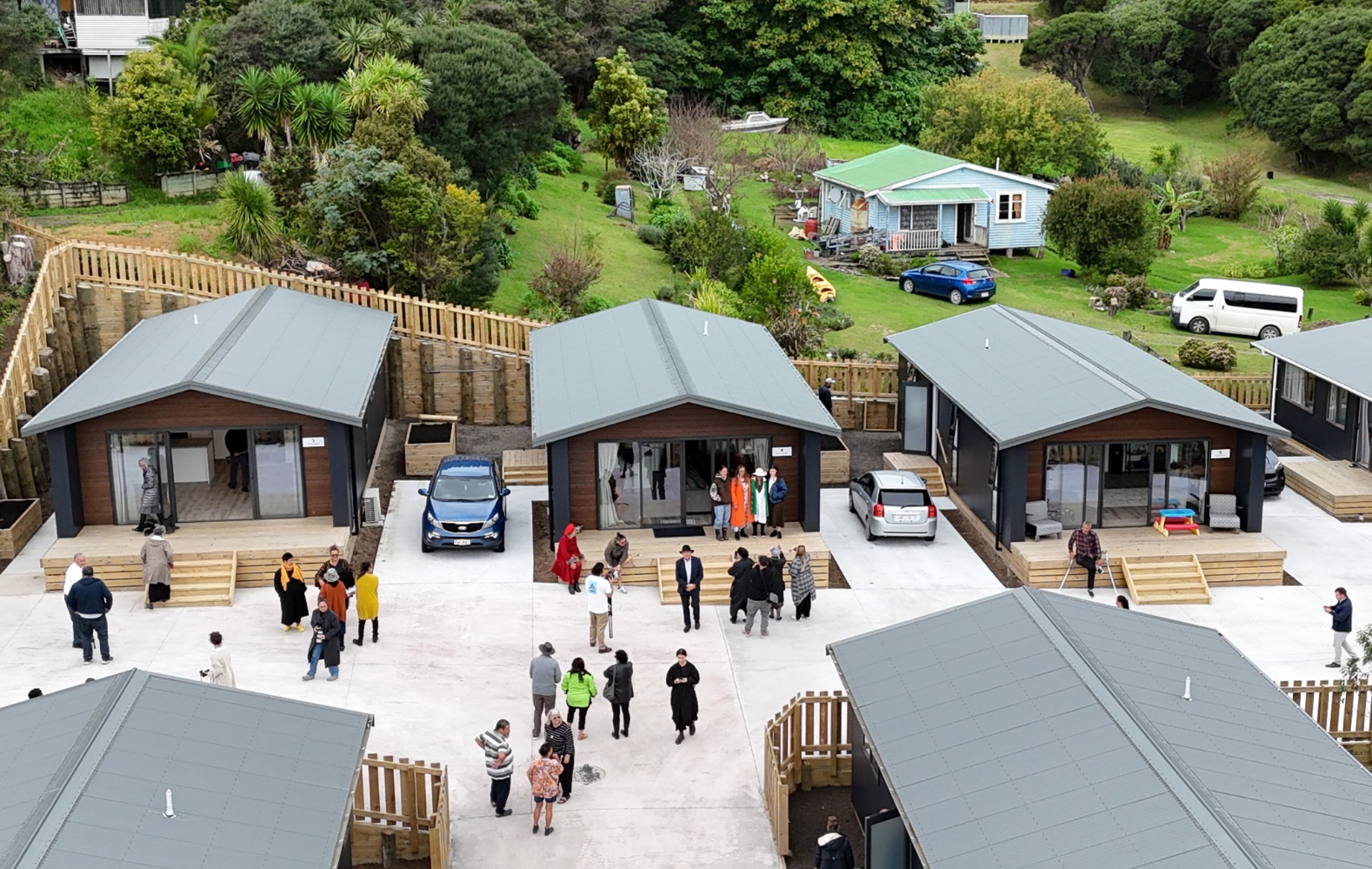
Te Whakaruru Hau - Kaingahoa Marae Papakāinga
26 May 2025
In August 2024, Kaingahoa Marae Trustees began an exciting journey with Te Pouahi o Te Taitokerau, the iwi housing prototype driving Māori-led housing solutions across Te Tai Tokerau. With a $55 million programme of works funded through Whai Kāinga Whai Oranga, Te Pouahi was tasked with building 80–100 homes and delivering infrastructure for more than 100 whānau across the north. Kaingahoa was among the first to step forward. A contract was signed between Te Pouahi and the Crown agencies Te Puni Kōkiri and the Ministry of Housing and Urban Development in August 2024, setting the stage for a new papakāinga. In just seven months, with the skill of Advance Build and the generous support of Foundation North, five brand-new homes rose on the Kaingahoa block, five existing homes were improved, and brand new infrastructure was established. On 26 May 2025, the papakāinga – named Te Whakaruru Hau – was officially opened. The homes are now filled with whānau who have returned to Te Rāwhiti, reconnecting with their marae and whenua. The development is more than just houses; it is about strengthening ties to place, people, and whakapapa. For Patukeha hapū, housing is central to our goal of supporting whānau to live in the rohe. Te Whakaruru Hau demonstrates what can be achieved when marae, hapū, government, and community partners work together towards a shared outcome – quality homes that enable whānau to live on their whenua tūpuna.
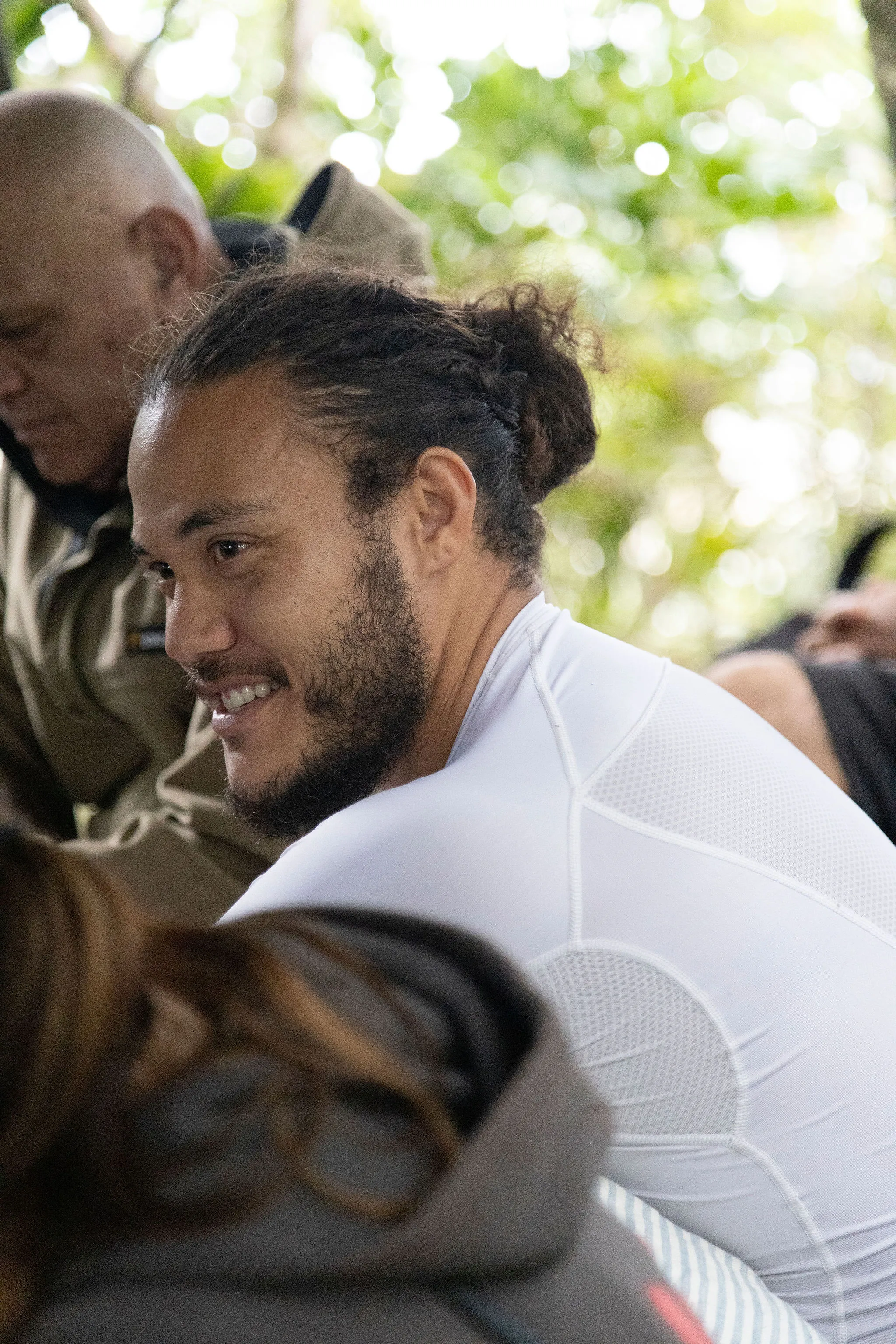
Protecting Waipiro Bay: Patukeha's Stance on the Proposed Marina
3 May 2024
Waipiro Bay is a taonga of whenua, moana, and memory, and for many whānau who call this home, it is one of the few food baskets remaining in the region. Recently, a proposal has surfaced to fast-track construction of a 250-berth commercial marina there, under the Fast-Track Approvals Act. Regretfully, this proposal under the Fast-Track Approvals Act has been accepted. Patukeha firmly opposes this development in its current form. We stand guided by these principles: Kaitiakitanga & cultural integrity: Waipiro Bay is not just a site for commerce. It is a living ecosystem, a customary fishing ground, a repository of whakapapa and tikanga. Any development that threatens the health of marine species, water quality, local pipi and scallop beds, or traditional gathering must be critically challenged. Respectful process and genuine participation: The fast-track process severely truncates public consultation and limits meaningful input from hapū and local communities. We reject a pathway that sidelines voices of those most affected. Questionable economic claims: Developers claim the marina would bring $177–$218 million in value‐added GDP and around 140 full-time job equivalents over 30 years. But these projections are contested - many existing berths around Northland remain underused, and the infill of 250 additional vessels could oversaturate demand. Precedent and risks: If a large commercial marina is allowed through fast-track here, it sets a dangerous precedent for other coastal sites. The threat of invasive seaweeds (e.g. caulerpa), increased vessel traffic, and erosion of the special character of our bays must be considered. We assert that true development must not overwrite our voice or compromise the environmental and spiritual integrity of Waipiro Bay. We continue to pursue avenues to get this development stopped.
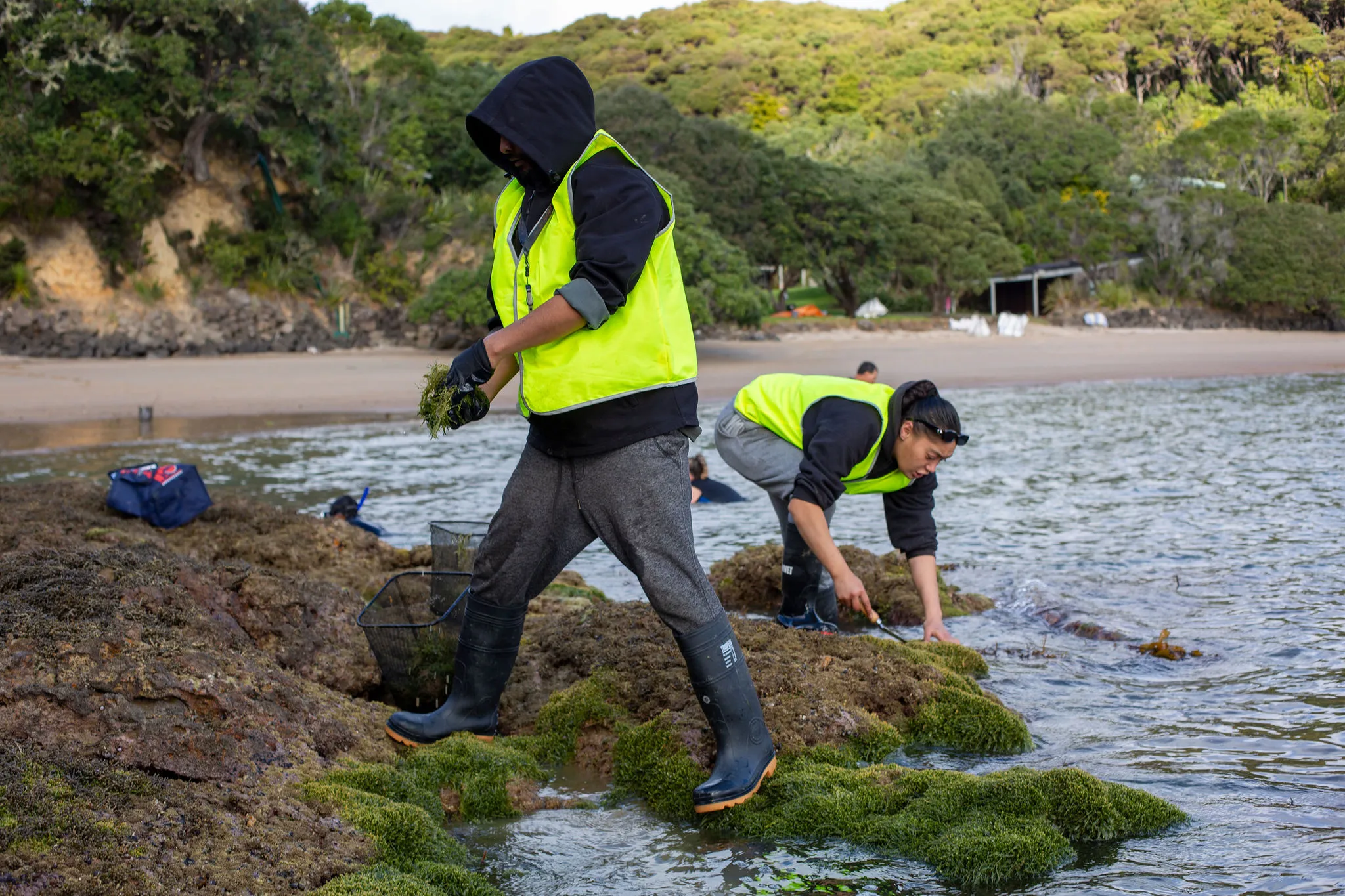
Protecting Our Moana: Patukeha's Response to Caulerpa
30 June 2023
The invasive seaweed Caulerpa poses a serious threat to the moana of Īpīpiri, smothering kaimoana beds, damaging marine ecosystems, and undermining the traditional practices and livelihoods of our people. As kaitiaki, Patukeha has taken responsibility for leading local action - coordinating marine surveillance, rāhui enforcement, community education, and on-the-water monitoring to contain and manage the spread of Caulerpa. Drawing on local knowledge, practical experience, and a deep connection to place, our focus is on taking meaningful steps to protect the health of the moana. Patukeha teams have been active in identifying infestations, coordinating removal trials, engaging with local boaties and divers, and supporting the roll-out of biosecurity measures and signage across the Bay of Islands. Our kaitiaki are also advocating for stronger government action, consistent long-term funding, and clear management planning to safeguard our moana beyond short-term interventions. This kaupapa is supported through funding from the Ministry for Primary Industries (MPI), Biosecurity New Zealand, and the Northland Regional Council, with additional resources being sought to expand community-led restoration, monitoring, and education initiatives. While the challenges are significant, the work continues. With sustained effort, collaboration, and care for our marine environment, there is hope that the moana will recover — and that future generations will inherit waters that are once again vibrant, resilient, and full of life.
Te Tiriti o Waitangi: Road to Redress
6 February 1840
Patukeha stands firm in our commitment to He Whakaputanga me Te Tiriti o Waitangi while working through the ongoing impacts of the Crown’s Treaty breaches. Our position has always been clear: Hapū Rangatiratanga, the authority of our hapū was never ceded, and our responsibilities to our people, our culture, and our places remain unchanged. We are driven to secure a stronger future not just for our hapū but for all the communities of Īpīpiri. Our whanaungatanga with the wider Ngāpuhi and Ngāti Wai groups will remain strong and intact as we seek restoration and a better partnership with the Crown. Here you will find a timeline of key events and FAQs designed to connect whānau to the history and ongoing mahi. Key Events